
How to Teach Your Child to Read at Home (Even If You’re Not a Teacher)
by Mary Follin
If you’ve ever wondered whether you can teach your child to read at home — the answer is yes.
You don’t need teaching credentials, expensive materials, or hours of free time. With the right approach, many parents successfully teach reading in just a few minutes a day.
After all, parents have been teaching their children to read for generations. And not surprisingly, the way parents were teaching during the era of the one-room schoolhouse is the same approach that science tells us today is the most effective. Phonics!
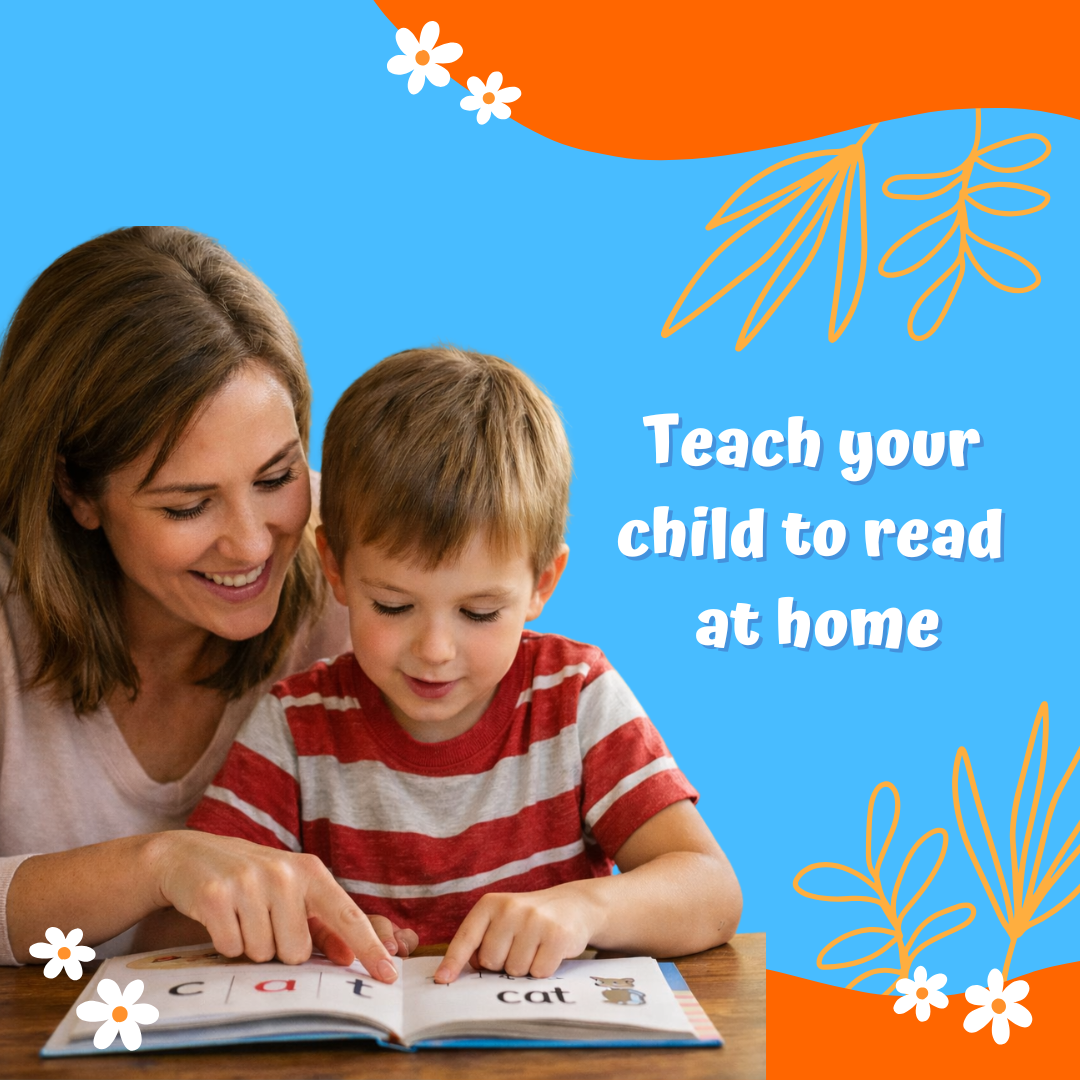
When Should You Start Teaching Reading?
Many parents wait until kindergarten or first grade. But children are capable of learning foundational reading skills much earlier.
Most kids are ready to begin between ages 3 and 6, especially when lessons are short, playful, and pressure-free. Starting early gives your child a strong head start and helps prevent frustration later on.
Why Phonics Works Better Than Memorization
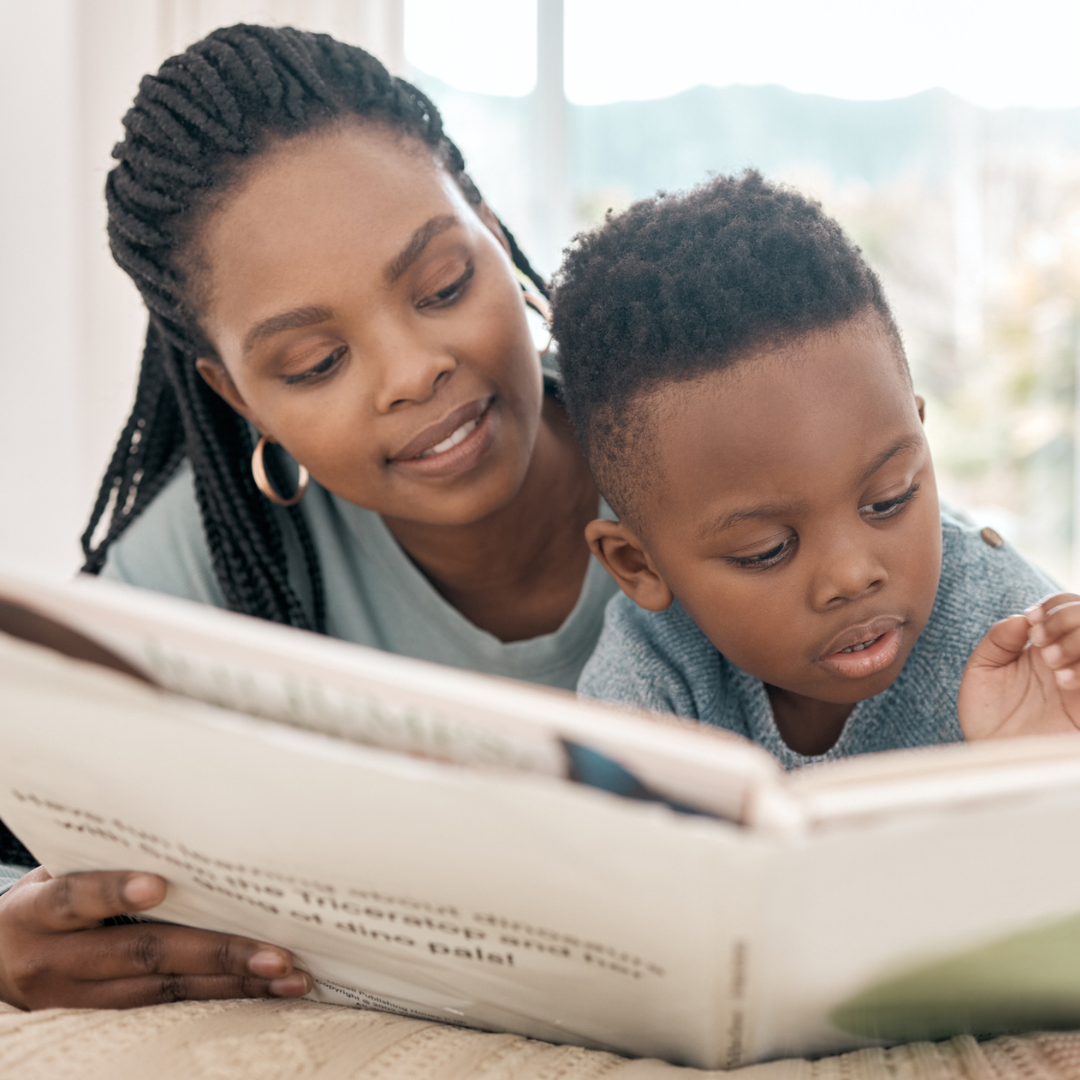
Many parents worry they might “mess it up” if they teach reading at home — but learning doesn’t have to be perfect to be effective. Children benefit most from consistency, encouragement, and clear instruction. Even small daily efforts add up over time. When you sit beside your child, sound out letters together, and celebrate progress (no matter how tiny), you’re building both reading skills and confidence. That supportive connection often matters just as much as the method itself.
Now. About the method. Some programs rely on sight words and memorization, but phonics takes a different approach.
Instead of guessing words from pictures or memorizing entire words, children learn how letters and sounds work together. Once they understand this system, they can read new words independently.
Phonics builds real reading skills — not just word recognition.
That’s why phonics-based reading at home is one of the most effective ways to help your child become a confident reader.
A Simple Step-by-Step Way to Teach Reading at Home
You don’t need long lessons or complicated plans.
Here’s a parent-friendly method:
1. Keep lessons short
Five minutes a day is often enough. Stop before your child gets tired.
2. Follow a clear sequence
Start with basic letter sounds, then blend them into simple words. Avoid jumping around.
3. Practice out loud together
Reading aloud helps children connect sounds to letters and builds confidence.
4. Be consistent
Daily practice matters more than long sessions once a week.
5. Celebrate progress
Small wins add up. Praise effort, not perfection.
This simple routine works best when you follow a structured phonics path instead of piecing things together on your own.
Teach Your Child to Read is a phonics-based program for children ages 3-6. Try it 7 DAYS for free, and you’ll see how easy it is to teach your child to read at home.

Common Mistakes Parents Make
If reading feels hard, you’re not alone. Many parents accidentally fall into these traps:
-
Trying to teach too much at once
-
Relying on memorization instead of phonics
-
Making lessons too long
-
Comparing their child to others
Every child learns at their own pace. When you teach your child to read at home, the goal is steady progress — not rushing.
How Teach Your Child to Read Makes It Easy
Teach Your Child to Read was created for parents who want a simple, proven way to teach reading at home.
The program uses:
-
A step-by-step phonics approach
-
Short daily lessons (about 5 minutes)
-
Clear instructions for parents
-
Interactive activities for kids
You don’t need prior experience to teach your child to read at home — just a few minutes a day and a willingness to learn alongside your child.
If you’d like to explore the program, you can start with our free starter guide or learn more about our complete phonics reading system.
Frequently Asked Questions
Can I really teach my child to read at home?
Yes. Thousands of parents successfully teach reading at home using phonics-based programs designed for families.
What if my child isn’t interested?
Keep lessons short and fun. Stop before frustration starts. Interest often grows as confidence builds.
How long does it take for kids to learn to read?
Every child is different, but with consistent daily practice, many children begin reading simple words within weeks.
Teaching your child to read at home doesn’t have to be overwhelming.
With the right tools and a little consistency, you can give your child a lifelong gift — the ability to read with confidence.